


When investing in a genuine sheepskin or leather product, it's natural to have questions. At Lambland, we've specialised in premium sheepskin, leather and wool products for over 60 years, and our knowledgeable team are asked the same questions every week.
Whether you're choosing a pair of sheepskin slippers, a luxurious rug, or natural leather accessories, understanding the materials helps you make the right choice and ensures your purchase lasts for years to come.
What Is Double-Faced Sheepskin?
Double-faced sheepskin is considered one of the finest materials available for slippers, boots and luxury accessories.
Unlike products made using separate leather and wool linings, double-faced sheepskin keeps the natural hide and fleece together as one piece. The leather forms the outer layer while the wool remains attached on the inside, just as nature intended.
The result is a material that offers:
- Outstanding warmth without overheating
- Excellent breathability
- Natural moisture management
- Long-lasting comfort
- Incredible softness and flexibility
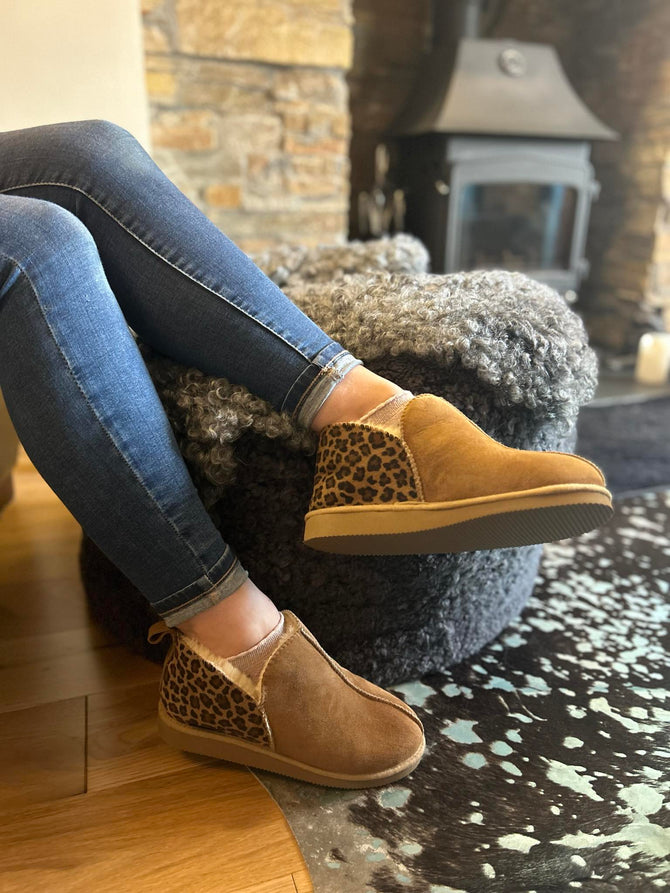
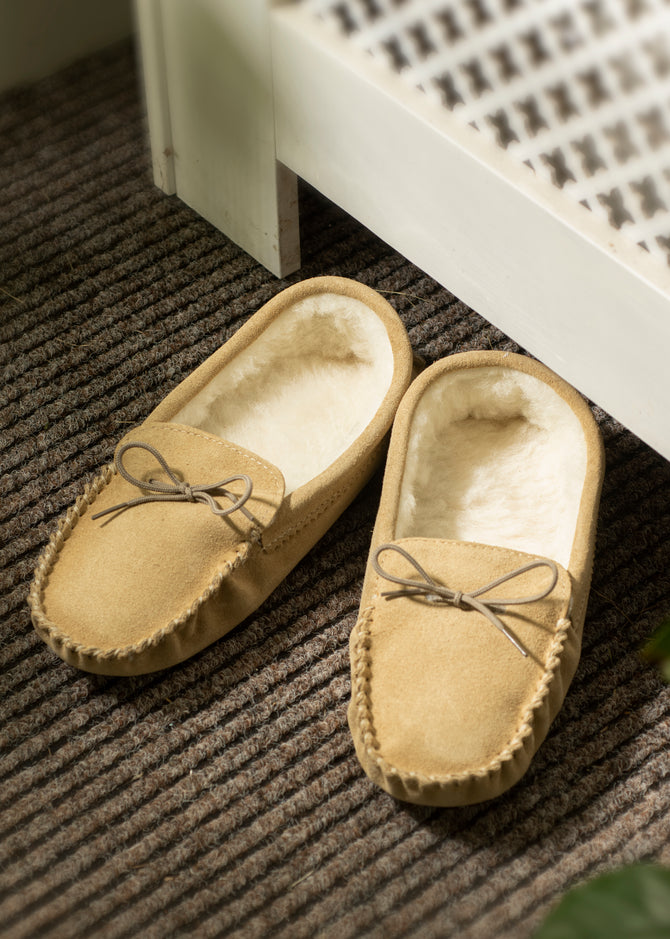
Many of Lambland's premium slippers and moccasins are crafted using this traditional method because it delivers exceptional comfort and durability.
What's the Difference Between Sheepskin and Lambskin?
Although the names are often used interchangeably, there are subtle differences.
Lambskin comes from younger animals and is known for being exceptionally soft, lightweight and supple. Its fine fleece and smooth leather make it popular for luxury garments, gloves and fashion accessories.
Sheepskin, on the other hand, generally has a denser fleece and slightly thicker hide. This makes it incredibly warm, hard-wearing and ideal for slippers, boots, rugs and home furnishings where insulation and durability are important.
Neither is "better"—they simply suit different purposes.
Where Do Sheepskins Come From?
People often ask if we know exactly which farm every sheepskin comes from.
Because tanneries work with numerous farms throughout the UK and overseas, it's rarely possible to trace every individual hide back to a specific farm. Instead, skins are carefully graded for quality, size, colour and finish before reaching our workshop.
Where a particular breed is specified—such as Herdwick, Jacob, Icelandic or Mongolian—that information can usually be confirmed. Our focus is always on selecting beautifully finished sheepskins that meet our strict quality standards.
Why Are Some Colours Difficult to Find?
Natural sheepskins are exactly that—natural.
Unlike synthetic materials, every fleece develops differently depending on breed, age, genetics and the season. Some sought-after colours can only be produced by mature sheep, while striking patterns may only occur in relatively small numbers.
As sheepskins are a by-product of the farming industry, availability is determined by nature rather than manufacturing schedules. This means some colours and breeds may only become available at certain times of the year.
It's one of the reasons every genuine sheepskin is completely unique.
Sheep Leather vs Cow Leather vs Goat Leather
Different leathers each have their own strengths.
Sheep Leather
- Soft, smooth and lightweight
- Highly flexible
- Excellent for gloves, clothing and luxury accessories
Cow Leather
- Thick and extremely durable
- Ideal for belts, bags and heavy-duty products
- Develops a beautiful patina over time
Goat Leather
- Naturally strong yet lightweight
- Resistant to wear
- Frequently used for footwear, bags and specialist leather goods
Choosing the right leather depends entirely on how the finished product will be used.
Which Sheepskin Is Best for Craft Projects?
If you're making clothing, repairing garments or creating bespoke upholstery, choosing the correct sheepskin makes a huge difference.
For garments, soft shearling sheepskin is usually the preferred choice because it remains supple enough for sewing while offering outstanding warmth and comfort.
For rugs, furniture or decorative projects, thicker natural sheepskins often provide greater structure and durability.
Caring for Leather and Sheepskin
Natural materials reward good care.
With proper maintenance, genuine sheepskin products can provide many years of comfort and beauty.
We recommend:
- Regular gentle brushing where appropriate.
- Allowing products to air naturally.
- Avoiding prolonged direct heat or strong sunlight.
- Using specialist wool and sheepskin cleaning products.
- Following the individual care instructions supplied with your item.
A little care goes a long way in preserving the softness, appearance and longevity of natural leather and sheepskin.
Why Choose Lambland?
As a third-generation family business based in Devon, Lambland has been supplying premium sheepskin, wool and leather products since 1961.
We carefully select products from trusted British and European suppliers who share our passion for craftsmanship, quality and ethical sourcing. Whether you're purchasing handcrafted slippers, luxurious rugs or timeless leather accessories, our aim is always the same—to offer natural products you'll enjoy for many years.
If you're ever unsure which material is right for you, our friendly team is always happy to help.
